House power: Words, thrones, and who gets to speak
In Game of Thrones, everyone argues about who sits on the Iron Throne. But this outcome asks a deeper question: who controls the story? Who gets to speak, and who is erased from the frame?
Working on my Miss Sloane and Game of Thrones visual analyses, and responding to readings like Killing Us Softly 4, I began to see how images and language work like political plots. Camera angles, color palettes, and taglines are not neutral — they crown some identities and silence others. As an immigrant learning to write in a new language, I feel how powerful it is to claim my own voice in this system.
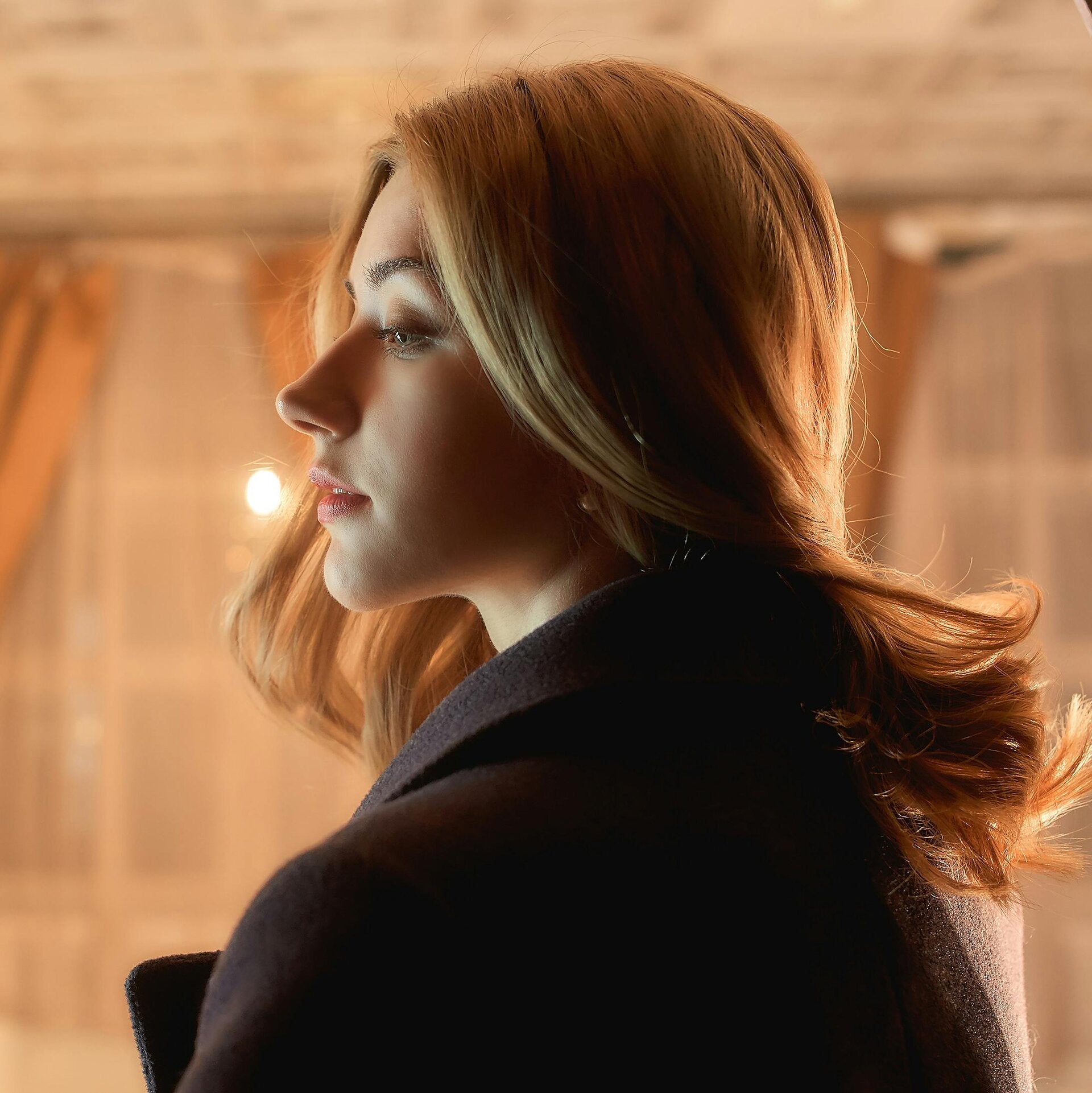
Visual rhetorical analysis – miss sloane trailer
In my Miss Sloane essay, I argued that professional political literacy can resist powerful lobbies but can also reproduce oppressive systems. I showed how the trailer uses camera angles, color, and sound to build a female character who is both heroic and frightening.
“In this essay, I argue that the ‘Miss Sloane’ trailer uses visual rhetoric and rhetorical appeals to show that language and professional literacy are forms of power that can both resist and reproduce oppressive systems.”

Visual rhetorical analysis – game of thrones
In my Game of Thrones analysis, I discussed how centering rulers and armies while pushing civilians to the edges of the frame hides the cost of power. I also looked at how gender and power are framed visually.
“Centering & Omission. The camera centers rulers and armies and pushes civilians to the edges or leaves them out. That choice persuades by absence: it hides the full cost of power just off-screen.”

A reading response / discussion post about killing us softly 4
These sentences show that I can critically examine and act on the relationship between writing, images, identity, and power — which is exactly what the Writing and Power outcome asks for...
"After watching Killing Us Softly 4, I didn’t feel a “big revelation.” It was more like yet another confirmation of what’s been said for years: advertising systematically turns women into things. I’ve heard and seen this many times, and what has always angered me most is the blindness around me: people who prefer not to notice the problem, as if it’s just “aesthetic” or a “joke.” Kilbourne is useful here because she slows the stream of images down and shows the mechanism: how repeated poses, cropped bodies, and “perfect” faces add up to a social norm."
Create Your Own Website With Webador